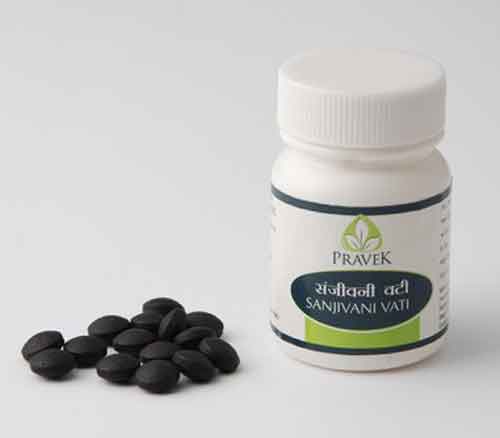
These are made from one or more plants or minerals in the form of tablets.
The plant material is first dried and made into fine powders separately and the minerals if mentioned are made into bhasmas.
The above ingredients are then triturated/ground in a mortar and pestle and are then made into a soft paste by adding the required fluids.
If there are more than one liquids to be added, then these liquids are used in succession.
After proper grinding of the material, the mass starts becoming a soft paste and when it is in a condition that it can be made into pills, aromatic compounds or flavouring materials are added and once again grinding is carried out.
Then, when the paste becomes non-sticky while rolled to the fingers, pills of required size are made either manually or by pill making/tablet punching machine.
For e.g. Kutajghan vati, Arogyavardhini vati.
b) Swaras (Juices):
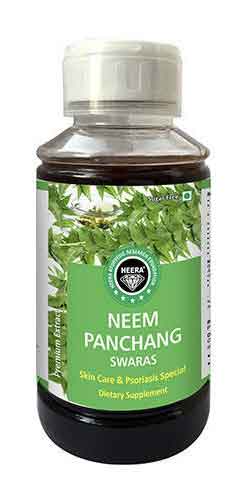
Swaras means freshly extracted juice from herbs.
The procedure of extracting juice from herbs is known as Swarasa Kalpana.
Various procedures are used for extracting juice from herbs viz.
Fresh herb juice extraction
Dry herb juice extraction
Powdered dry herb juice extraction
Juice extraction from hard herbs
For e.g. Adraka Swaras, Bhringaraj Swaras, etc.
c) Kashay/Kwath/Kadha (Decoctions):
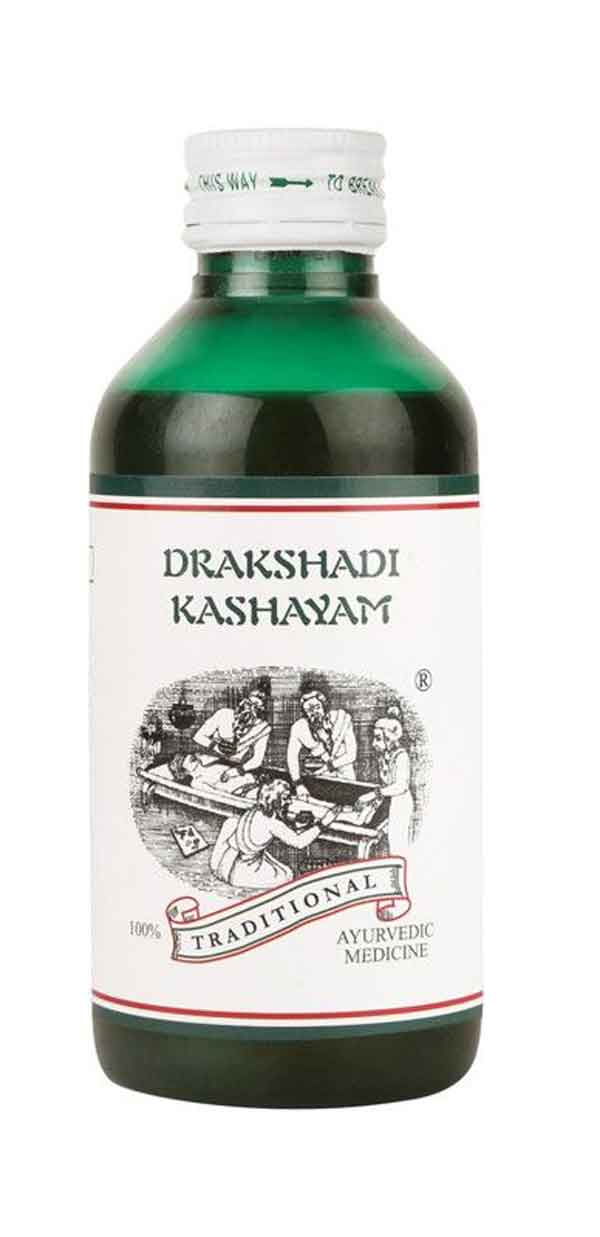
These water soluble extracts are prepared by boiling water with various herbs.
Each type of Kashay has different healing properties and therapeutic uses depending on the ingredients.
For e.g. Nimbadi Kashay, Varadi Kashay
d) Metallic preparations/Bhasmas:
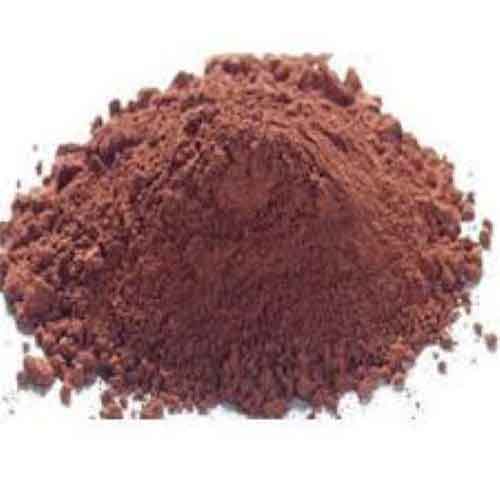
These are very fine powders which are made by the process of calcination.
Calcination is a process of heating metals, minerals, etc. at a high temperature to convert them into their oxides.
The metals/minerals/gems are not compatible to living systems.
So, they are made biocompatible by various processes which is known as Bhasmikaran.
The steps involved in Bhasmikaran/preparation of Bhasmas are:
Shodhan-Purification
Maran- Powdering
Chalan- Stirring
Dhavan- Washing
Galan- Filtering
Putan- Heating
Mardan- Grinding
Bhavan- Coating with a herbal extract
Amrutikaran- Detoxification
Sandharan- Preservation
The steps selected for Bhasma preparation depend on the metal used in preparing the Bhasma.
Sometimes, there can also be an overlapping of the steps. For example, Maran is done using Putan.
Examples of Bhasmas are Abhraka Bhasma, Pravala Bhasma, etc.
e) Taila (Oils):
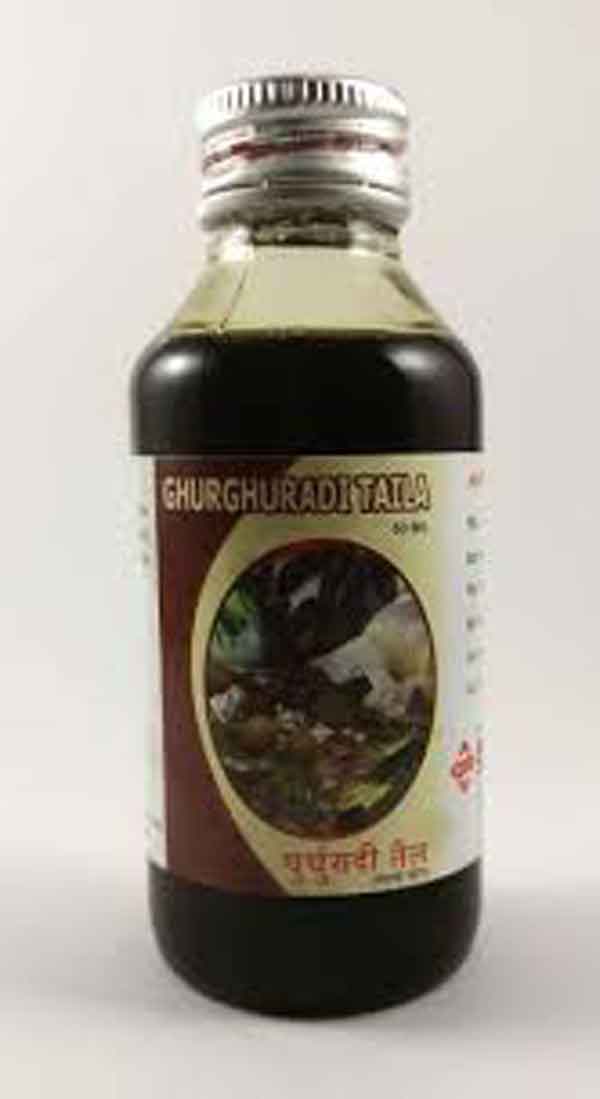
Tailas are medicated oils which are extracted from the seeds of a single herb and then processed with other herbs.
Tailas are prepared by using a process called Taila Kalpana.
This process involves 2 major steps viz.
Taila Murcchana:
It is an essential process which increases the therapeutic potency and medicinal properties along with the elimination of ama dosha (toxins) and the bad odour of crude base oil (Sneha Dravya).
Scientifically, this process increases the saponification value (the number of milligrams of KOH needed to saponify 1 g of fat under the necessary conditions) and also decreases the acid value (the mass of KOH in milligrams needed to neutralize one gram of a chemical).
This increases the absorption of the medicated oil as high sap value means more fatty acids that have low molecular weight and reduced acid value means a decrease in percentage of free fatty acids.
Sneha Paka:
Drava Dravya (Liquid Media) - Make the decoction or extract the juice as mentioned in the formula.
Take the oil which has been prepared in the Murcchana process.
Mix this base oil and Drava Dravya and add Kalka (Fine paste made of herbs) in it.
Heat this mixture on a low flame till only oil is left and the water and moisture content is evaporated.
Don’t forget to stir this mixture to prevent it from burning.
When the oil is ready, leave it at room temperature for several hours so that the temperature decreases naturally.
After this is done, filter the oil and discard the residue. Preserve this oil in food grade glass or plastic containers.
Example: Anu Taila, Bhringaraja Taila
f) Asavas and Arishtas (Alcoholic Preparations):
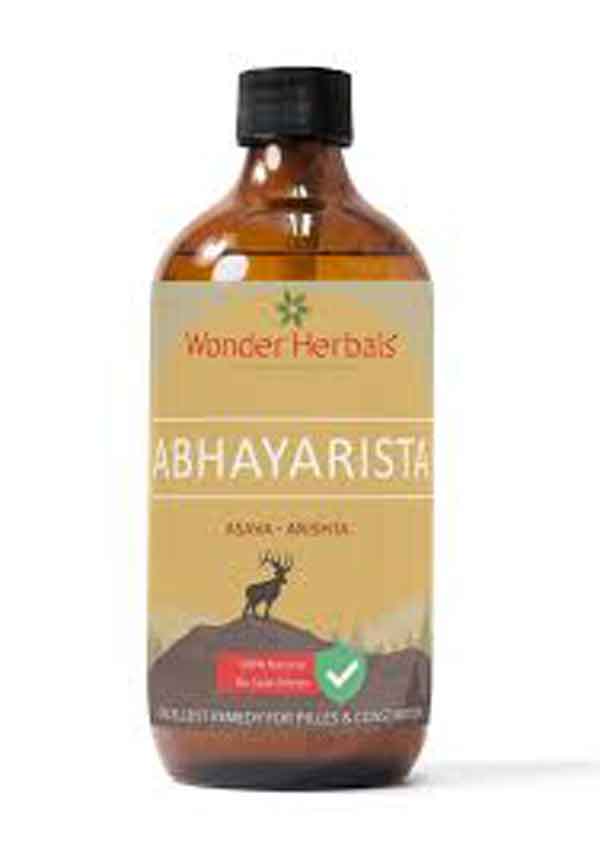
Asavas and arishtas are prepared in the form of herbal juices or their decoctions which undergo fermentation as sugar is added.
Although both are alcoholic preparations, there is a big difference between Asavas and Arishtas.
Arishtas are prepared by boiling herbs in water while Asavas are prepared by using fresh herbal juices.
The process of preparing Asavas and Arishtas/biomedical fermentation is known as Sandhana Kalpana.